Vietnamese Desserts: A First-Timer's Guide to Che
Discover Vietnamese che desserts, from banana and coconut to sticky rice balls and layered glasses. Learn what to order and how to choose your first bowl.
Published on 3 min read
On this page
Che is a family of Vietnamese sweet desserts, not one fixed recipe. A serving might contain beans, fruit, jelly, tapioca or sticky rice in a sweet liquid. Some versions come warm in a bowl; others arrive cold in a glass.
That variety is the main thing to understand before ordering. Asking for “che” is a starting point, but you still need to choose which kind.
What should you expect?
Che often puts texture at the center of the experience. One spoonful may be soft, the next chewy, and another full of small pieces of jelly. Coconut is common, although it is not a rule for every dessert.
Our suggestion is to choose one ingredient you already enjoy. Banana is an easier starting point for a banana lover than a mixed glass containing several unfamiliar textures. There is plenty of time to work through the rest of the menu.

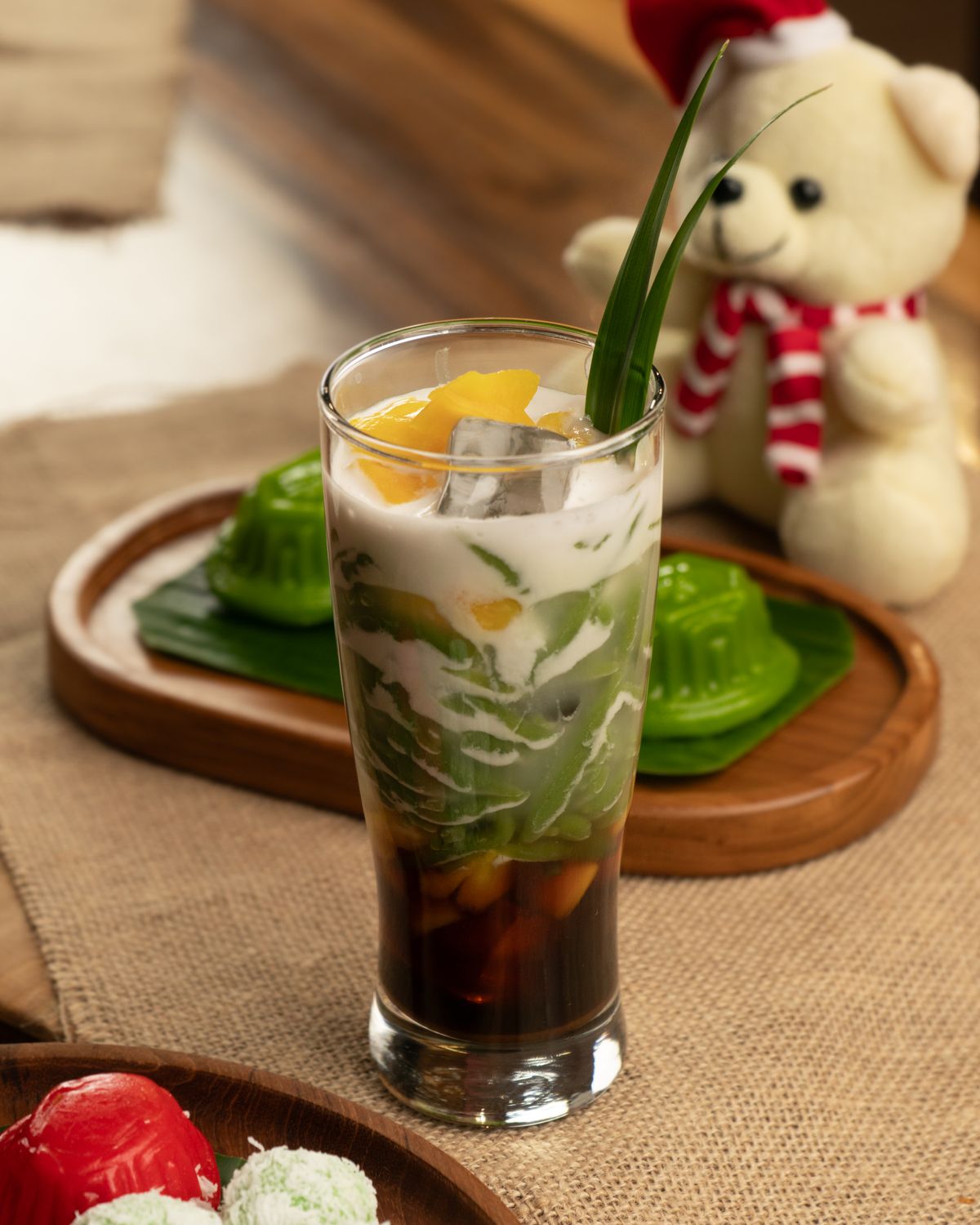
A layered che presentation; the exact ingredients depend on the recipe. Photo: Esase on Pexels.
Three styles to look for
Chè chuối combines banana with coconut and tapioca. It is a useful first choice if you want a recognizable fruit flavor and a pudding-like dessert. Ask whether that shop serves it warm or cold.
Chè trôi nước features sticky rice-flour balls, commonly with mung bean filling, in ginger syrup. Choose it if you enjoy a soft, chewy dumpling. Start with a small bite: this is quite a different experience from drinking a cold, fruity dessert.
Chè ba màu, often translated as three-color dessert, is a layered style that commonly combines beans, jelly and a coconut topping. It suits someone who wants to compare several textures in one serving.
You will see many other names, including mixed desserts described as thập cẩm. Before choosing a mixture, ask what goes into that day’s version. The longest ingredient list is not automatically the best first order.
How to order when the menu is unfamiliar
Look at the menu photograph or display, choose a size and ask whether the dessert is hot or cold. A simple question can prevent the surprise of receiving a warm bowl when you expected an iced drink.
If sweetness is a concern, ask whether the seller can use less syrup. Some ingredients are already sweetened, so a last-minute request cannot change the whole recipe.
For a layered glass, try a small spoonful before mixing, then stir gently to bring the components together. For a bowl with rice balls, use the spoon to separate a manageable bite. Give yourself time to notice what you like.
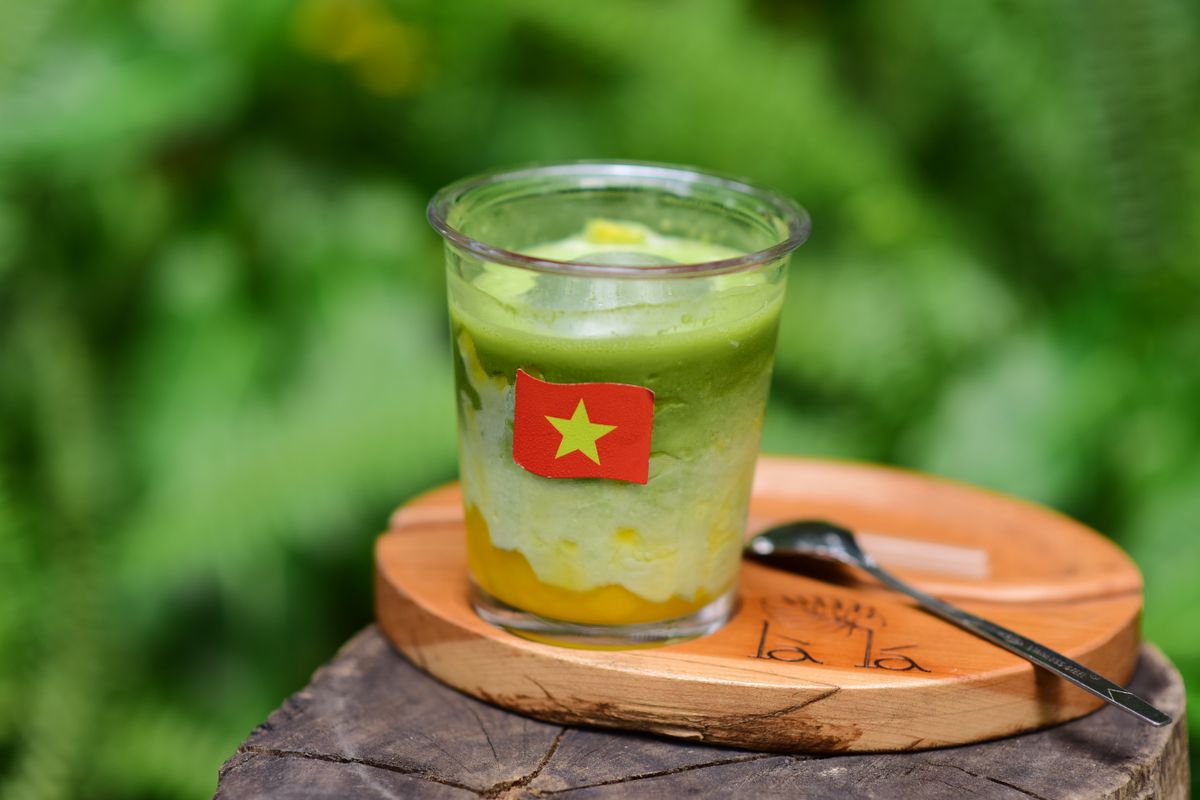
Dessert servings can be small enough for a short afternoon stop. Photo: Sóc Năng Động on Pexels.
Choose a portion that fits your day
Order one small serving first if you already have dinner plans. Sharing two different desserts can be more interesting than both ordering a large mixed glass.
Do not assume every che is vegan because you can see beans or coconut. Ask about dairy and other ingredients that matter to you, including toppings. Our guide to ordering vegetarian food has useful wording to start that conversation.
Our verdict: che is worth approaching with curiosity rather than expecting it to taste like a familiar cake or ice cream. Choose by ingredients and texture, then save the Vietnamese name of the one you enjoy.
Keep your next food stop easy to find
Save a dessert shop near your walking route rather than crossing town for an unverified recommendation. For directions and menu translation, you can compare 5G eSIM Vietnam | Viettel on Klook (affiliate link). Check phone compatibility, activation timing and the selected plan before buying.
Pair a dessert stop with our Hue food guide or Hoi An local dishes.
Editorial note: A researched introduction with suggestions for choosing a first serving. Official sources checked September 17, 2026.