Vietnamese Egg, Coconut & Salt Coffee: A Travel Guide
Discover Vietnamese egg coffee, coconut coffee and salt coffee: flavors, ingredients, where to try them, and ordering tips for your Vietnam trip.

Published on 9 min read

On this page
Vietnamese egg coffee combines coffee with a whipped egg topping; coconut coffee adds coconut milk or cream, often in an icy blend; salt coffee balances coffee and sweet milk with a salty cream or milk mixture. They share a love of contrasting flavors, but each offers a different café experience.
Choose egg coffee when you want something rich enough to feel like dessert. Pick coconut coffee for a cold, creamy break between sightseeing stops. Try salt coffee if a sweet-and-salty combination sounds appealing.
For travelers, the useful questions go beyond which cup looks best in a photograph. Is coconut coffee dairy-free? Can you order egg coffee less sweet? Does salt coffee actually taste salty? This guide explains what to expect and what to ask before ordering.

Egg Coffee vs Coconut Coffee vs Salt Coffee
| Drink | Vietnamese name | What to expect | Common serving style | Check before ordering |
|---|---|---|---|---|
| Egg coffee | Cà phê trứng | Sweet, rich topping over a coffee base | Hot; iced versions also exist | Egg preparation, dairy and sweetness |
| Coconut coffee | Cà phê cốt dừa / cà phê dừa | Coconut fragrance and creamy texture | Iced or blended; some cafés offer hot versions | Condensed milk, premixed ingredients and drink size |
| Salt coffee | Cà phê muối | Coffee with a sweet, creamy, salty contrast | Hot or iced, depending on the café | Dairy ingredients and whether sweetness can be adjusted |
Recipes vary between cafés. A menu name identifies the general style, not an exact ingredient list or a fixed amount of caffeine.
If you only want one: choose egg coffee for a Hanoi-focused food experience, salt coffee for a Hue connection, or coconut coffee if you enjoy frozen coffee drinks.
Vietnamese Egg Coffee: A Hanoi Classic
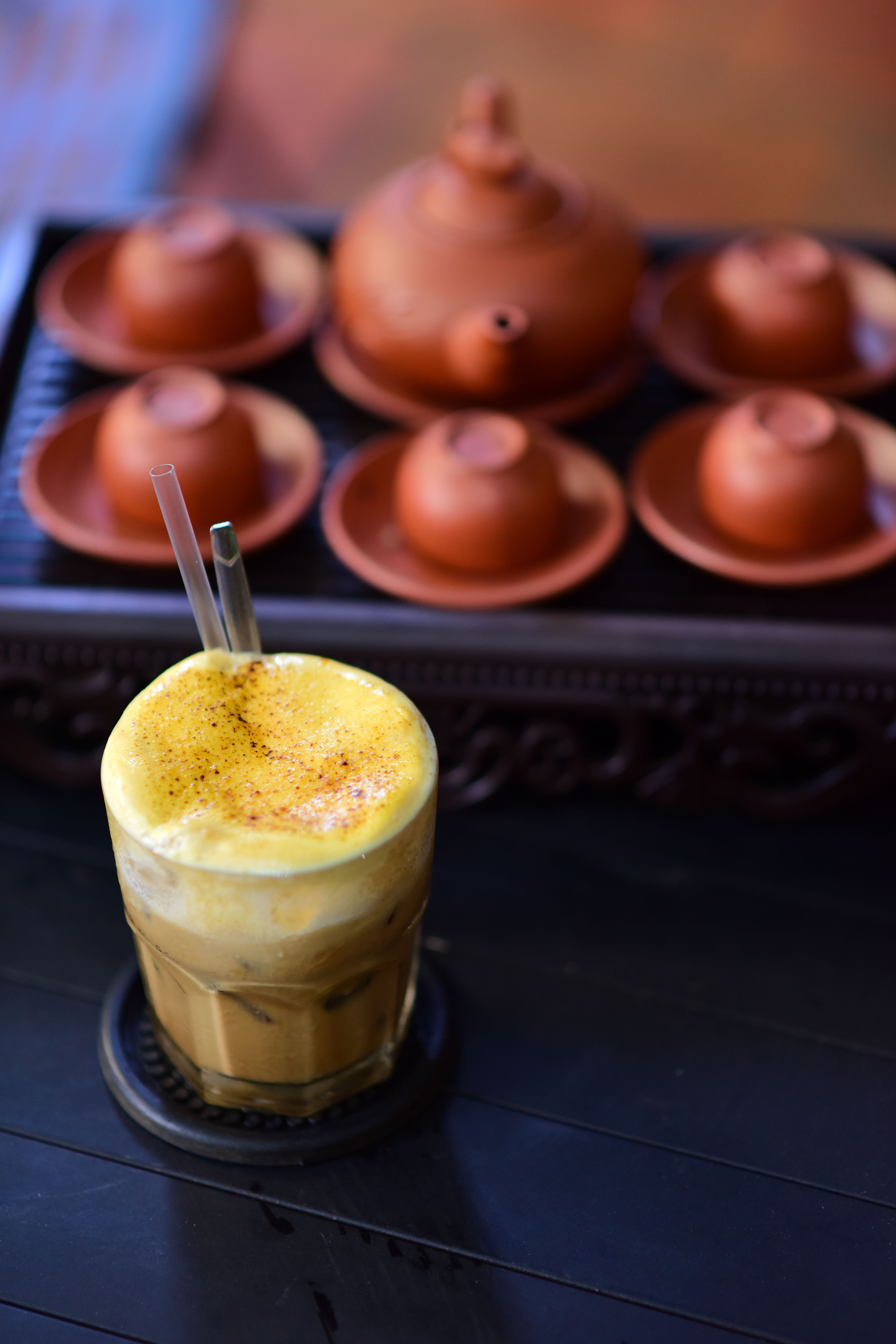
Egg coffee is closely associated with Hanoi. The familiar version places whipped egg yolk and sweetened condensed milk over strong coffee, creating a thick layer that you can taste with a spoon before sipping.
The drink’s widely reported origin story credits Nguyen Van Giang with developing it in Hanoi in 1946, using egg to adapt to a shortage of milk. Café Giang remains central to that story.
What does egg coffee taste like?
Think of a sweet, custard-like topping meeting the darker taste of coffee underneath. The contrast is the attraction: a spoonful from the top will not taste the same as a sip that includes both layers.
For a first order, hot egg coffee is a useful starting point if available. Try a little topping, then sip through it or gently combine some with the coffee. There is no need to stir the entire cup immediately; experiment to find the balance you prefer.
What to ask before ordering
Ask whether the topping is made to order and whether the café can reduce its sweetness. “No added sugar” may still leave a sweet drink if the recipe uses condensed milk or a prepared mixture.
Egg safety matters: a warm cup is not proof that the egg topping has been cooked thoroughly. For recipes served with raw or undercooked egg. Ask the café about its preparation. If staff cannot confirm pasteurization or thorough cooking, choose another drink if you need to avoid raw or undercooked eggs, particularly during pregnancy or if you are at higher risk of foodborne illness.
Vietnamese Coconut Coffee: Creamy, Fragrant and Often Icy
Coconut coffee pairs coffee with coconut milk or cream. It is not necessarily coffee mixed with coconut water, which produces a different kind of drink.
The popular blended style combines a coconut mixture with ice and coffee, giving it a texture closer to a frozen dessert than a standard iced black coffee.
Other versions are more fluid, and hot coconut coffee also exists. Vietnamese coconut describes hot and cold preparations using coconut milk and condensed milk.
Which version should you choose?
Ask whether the drink is đá xay—blended with ice—or simply served over ice. Choose the blended version if you want a thick, spoonable texture. Choose a non-blended version if you would rather sip a more conventional coffee drink.
When your glass arrives, taste before mixing. If the coffee and coconut components are served in separate layers, gently combining them lets you adjust how much coconut sweetness reaches each sip. Drink it at a relaxed pace, but remember that a frozen blend changes texture as it melts.
Is coconut coffee vegan or dairy-free?
Not automatically. Coconut milk may be plant-based, but a café can still add dairy condensed milk, fresh milk, cream or a prepared topping. A dairy-free version needs a suitable recipe throughout; substituting one ingredient is not always enough.
Ask about the entire mixture before paying, especially if the coconut base is prepared in advance. If you have a milk allergy, also ask about shared equipment. For vegan orders, explain that you want no animal milk or cream rather than relying on the word “coconut.”

Vietnamese Salt Coffee: Hue’s Sweet-and-Salty Specialty
Salt coffee, or cà phê muối, is strongly associated with Hue. In reporting about the modern Vietnamese drink, founders Ho Thi Thanh Huong and Tran Nguyen Huu Phong describe creating their version in 2010.
The drink brings coffee together with sweet milk and salt; contemporary café versions often feature a salted cream layer. Its appeal comes from how those elements taste together, rather than from adding a conspicuous amount of salt to plain black coffee. Preparations differ, so do not expect every café’s cup to have the same layers or texture.
Does salt coffee taste very salty?
It should offer a noticeable contrast, but the intensity depends on the recipe. If you enjoy sweet-and-salty desserts, this is the most natural of the three drinks to start with.
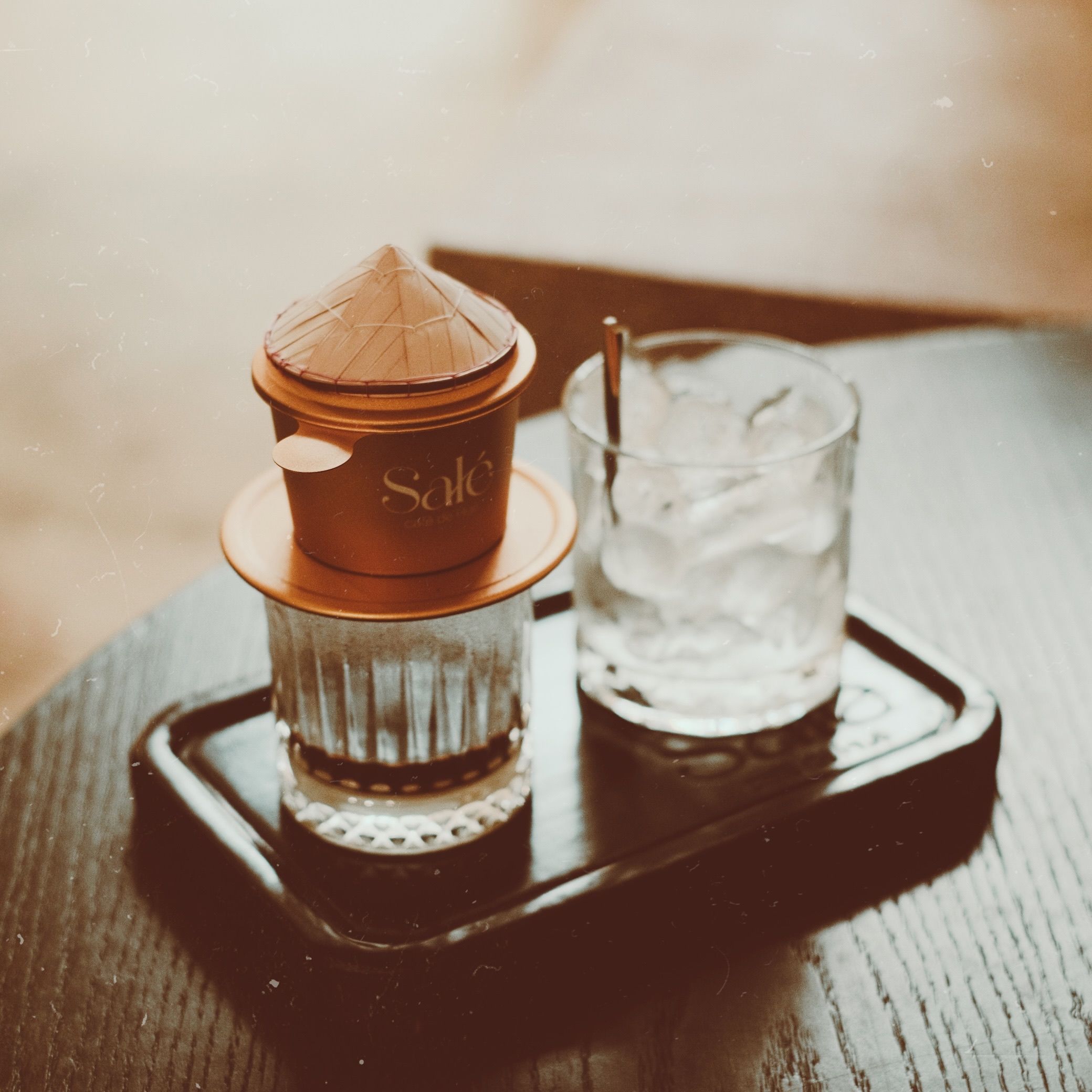
Try a sip that includes both coffee and the creamy component. Tasting only the topping can give you a misleading impression of the whole drink. If it arrives with a phin, the small Vietnamese coffee filter, let the coffee finish dripping before deciding how much to mix.
Ask whether the café’s version is hot or iced. If sweetness matters to you, ask about both the condensed milk and the topping; reducing one may leave the other unchanged.
Where to Try These Coffees in Vietnam
Build coffee breaks into places you already plan to visit. A café with a clear menu and staff who can answer your ingredient questions is more useful than a long detour based only on a photogenic cup.
| Your destination or preference | What to look for | Before you go |
|---|---|---|
| Hanoi | Egg coffee; Café Giang is a historically relevant starting point | Check the current location, hours and menu |
| Hue | Cà phê muối | Compare the café’s hot and iced options |
| Other cities on your route | Coconut coffee or local versions of all three | Search by the Vietnamese drink name and inspect recent menu photos |
| A quiet break between activities | A nearby café with seating and your preferred drink | Check whether the venue suits a short stop or a longer sit-down visit |
You do not need to try all three on the same day. On a longer trip, save egg coffee for a Hanoi break, salt coffee for Hue, and coconut coffee for whichever stop suits your plans.
How much should you budget?
Use the café’s current menu as your reference. A takeaway cup, a large blended drink and table service in a prominent tourist location are not directly comparable.
If you want a simple planning figure, set aside VND 100,000 per person for one café stop. This is a suggested allowance, not a quoted market price; many individual drinks will cost less, while premium venues or extras can take the bill higher. Confirm the size and whether any service charge or tax is added before ordering.
Finding cafés while you travel
Save a café’s Vietnamese name and map location before setting out. Mobile data helps when you need to translate a menu, check a different branch or change plans along the way.
If you are arranging connectivity, check the 5G Vietnam eSIM using Viettel on Klook. Confirm that your phone supports eSIM and is network-unlocked, then check the selected plan’s data allowance, validity and activation instructions. Calls, SMS and hotspot use depend on the plan; available coverage and speeds depend on your location and device as well.
Caffeine, Sweetness and Allergens: What the Name Does Not Tell You
All three drinks contain coffee unless the café explicitly offers a coffee-free adaptation. A creamy taste, a pale color or a large amount of ice does not tell you how much caffeine is in the serving. Bean choice, coffee dose and brewing method vary, so there is no reliable strongest-to-weakest ranking based on these drink names alone.
If you are sensitive to caffeine, ask whether the café can use less coffee or offer decaf; do not assume either option is available. Ordering more milk changes the taste but does not remove caffeine already in the cup.
For ingredients, remember three separate checks:
- Egg coffee: ask about eggs, dairy and preparation.
- Coconut coffee: ask about dairy as well as coconut and any prepared base.
- Salt coffee: ask about milk, cream and the topping mixture.
If an allergy is involved, explain it clearly and ask about shared blenders, whisks and utensils. A café’s ability to omit a visible ingredient does not establish that it can prevent cross-contact.