Top 10 Tips for Planning Vietnam in the Rainy Season
Plan a flexible Vietnam rainy-season trip with ten tips on regional forecasts, boats, indoor options, packing and transport buffers.

Published on 4 min read

On this page
Plan around the forecast for your destination, not one rainy-season label for the whole country. A wet-day city visit and a storm-affected coastal trip need different decisions. These ten tips help you build alternatives into the holiday before a changed forecast forces you to improvise.
Last checked: September 24, 2026. Check live operator information again before travel.
1. Look up the region, not just Vietnam
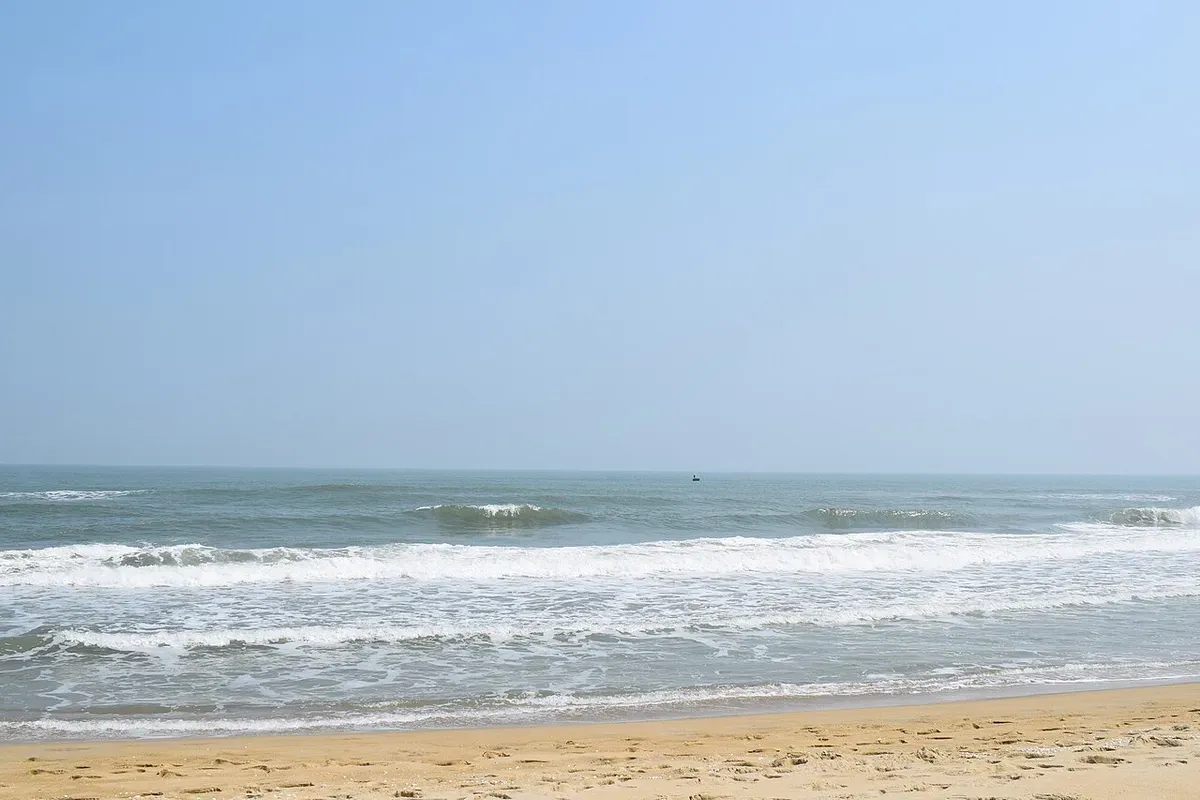
Hanoi, central coastal cities and southern Vietnam do not share one uniform seasonal pattern. The official climate guide explains those regional differences. Use it to narrow your dates, then switch to location-specific forecasts when you are close enough for daily planning.
Photo: Kuroczynski / CC BY-SA 4.0. Resized for this page.
2. Check warnings before the outdoor day
Before a bay outing, check current information from the operator and the national weather service. A generic rain icon on a phone is not enough to assess marine conditions. Keep the contact that will notify you of a changed or cancelled departure easy to find.
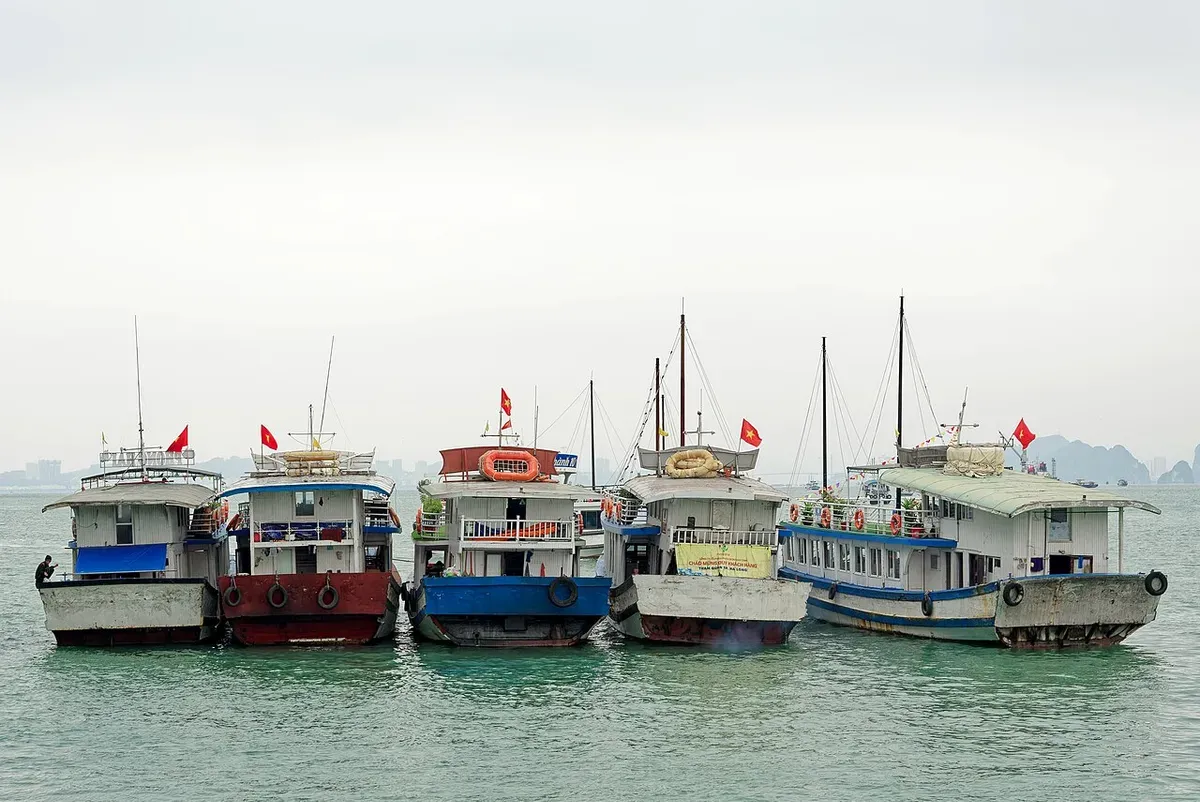
Photo: Jakub Hałun / CC BY 4.0. Resized for this page.
3. Choose accommodation with a useful indoor fallback
Think about where you would spend a slow wet afternoon before booking a room. Nearby food, a pleasant place to sit and a straightforward entrance can matter more than another rooftop photograph. A cafe break is enjoyable when you chose it, rather than when it is the only option left.

Photo: travel oriented from Manila, Philippines / CC BY-SA 2.0. Resized for this page.
4. Pick a museum you actually want to visit
Save one indoor activity in each city with its address and current visitor information. In Da Nang, the Cham sculpture museum is a possible cultural stop. Keep the rest of that day light so you can move it into a wetter time slot without rearranging several prepaid bookings.
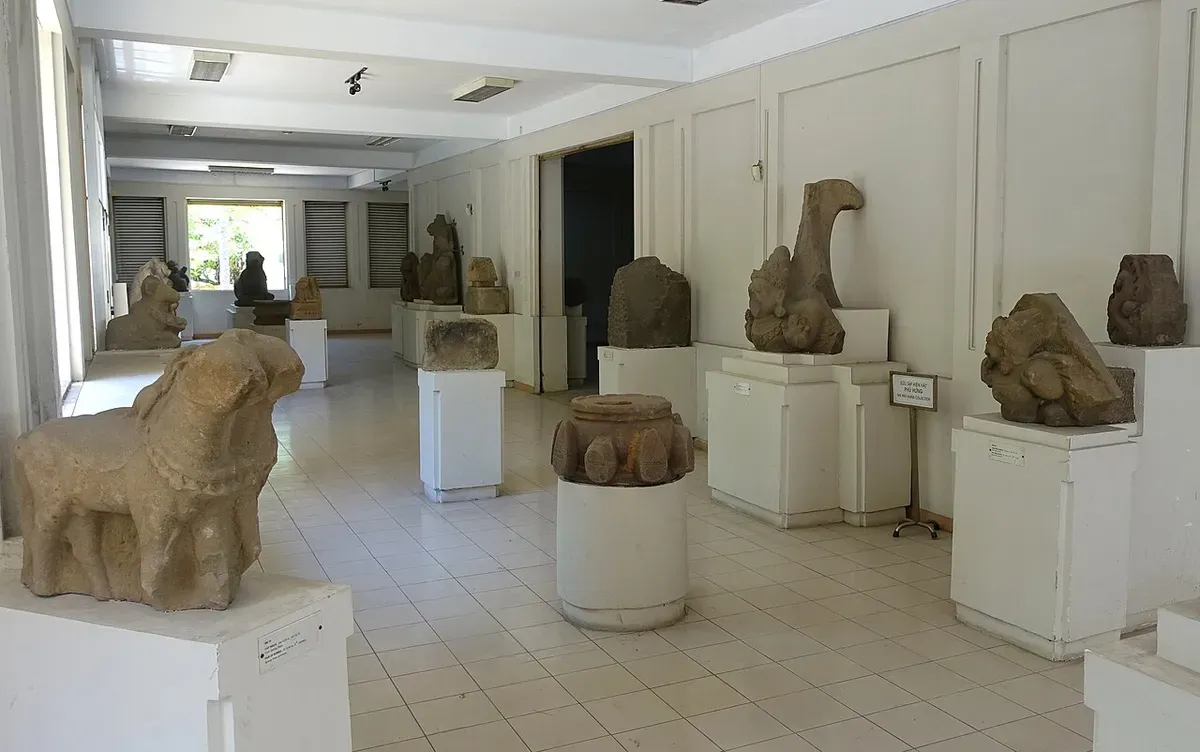
Photo: Daderot / CC0. Resized for this page.
5. Ask about the approach to the property
For an old-town stay, ask the accommodation about the current approach and where a vehicle can drop you. Follow local guidance if heavy weather affects access. A room being available does not tell you whether your usual walking route or pickup point is convenient that day.
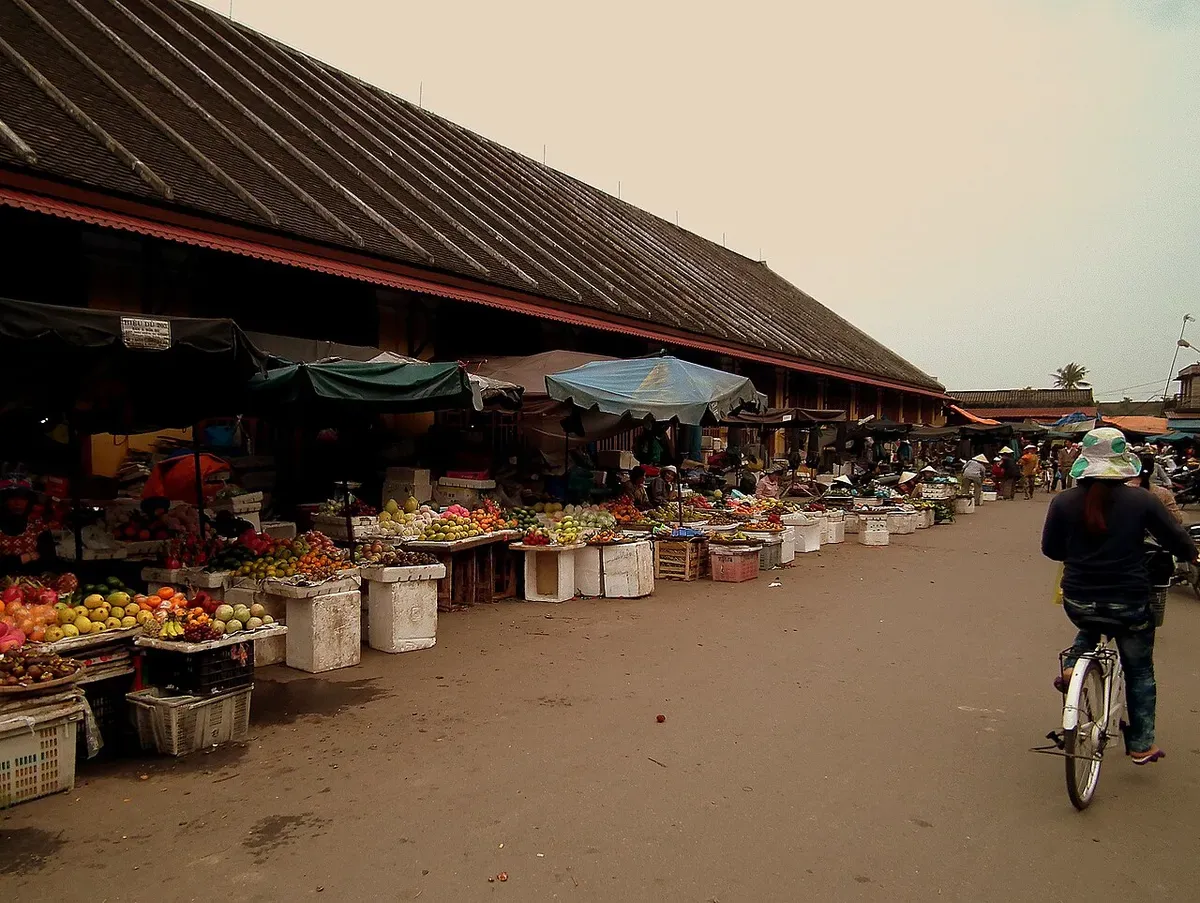
Photo: calflier001 / CC BY-SA 2.0. Resized for this page.
6. Protect the next connection
Leave a buffer after a weather-sensitive river outing or road journey. If a separate flight depends on it, consider sleeping near the departure point the night before. The aim is to make a changed first leg manageable rather than hoping another operator will wait for you.
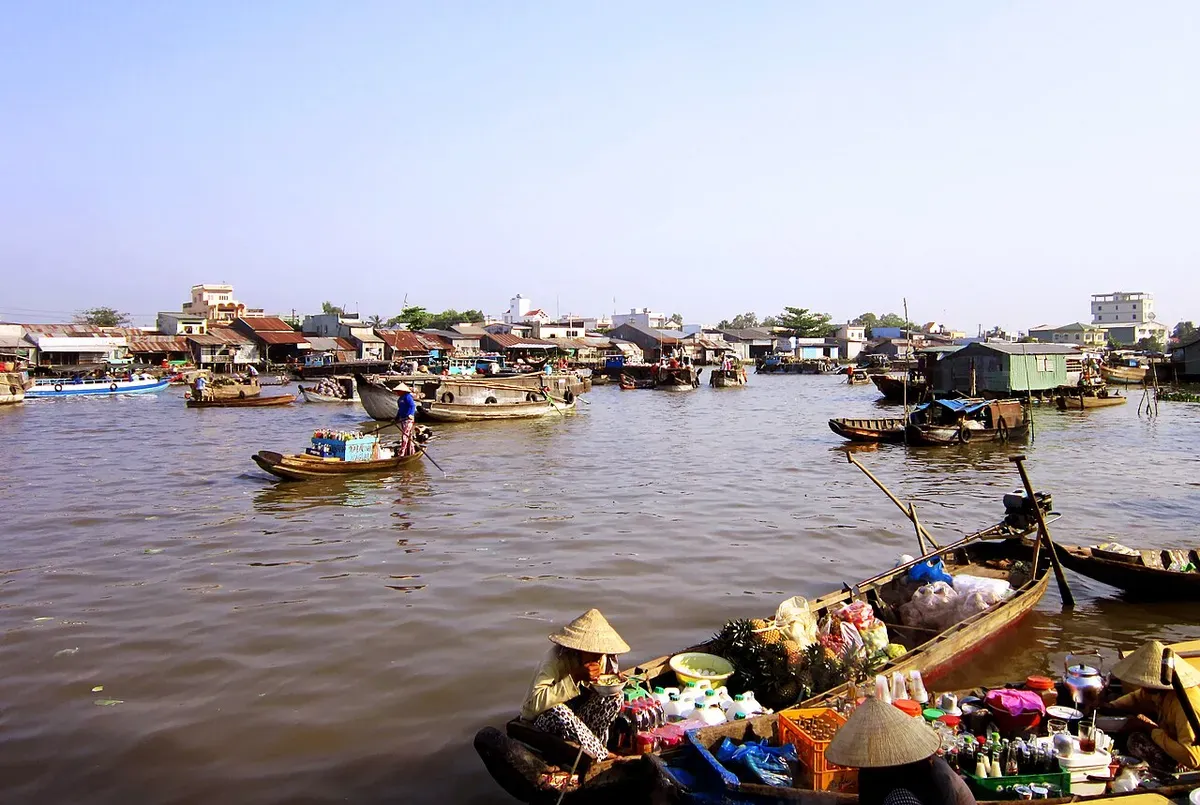
Photo: Bùi Thụy Đào Nguyên / CC BY-SA 3.0. Resized for this page.
7. Keep rain protection within reach
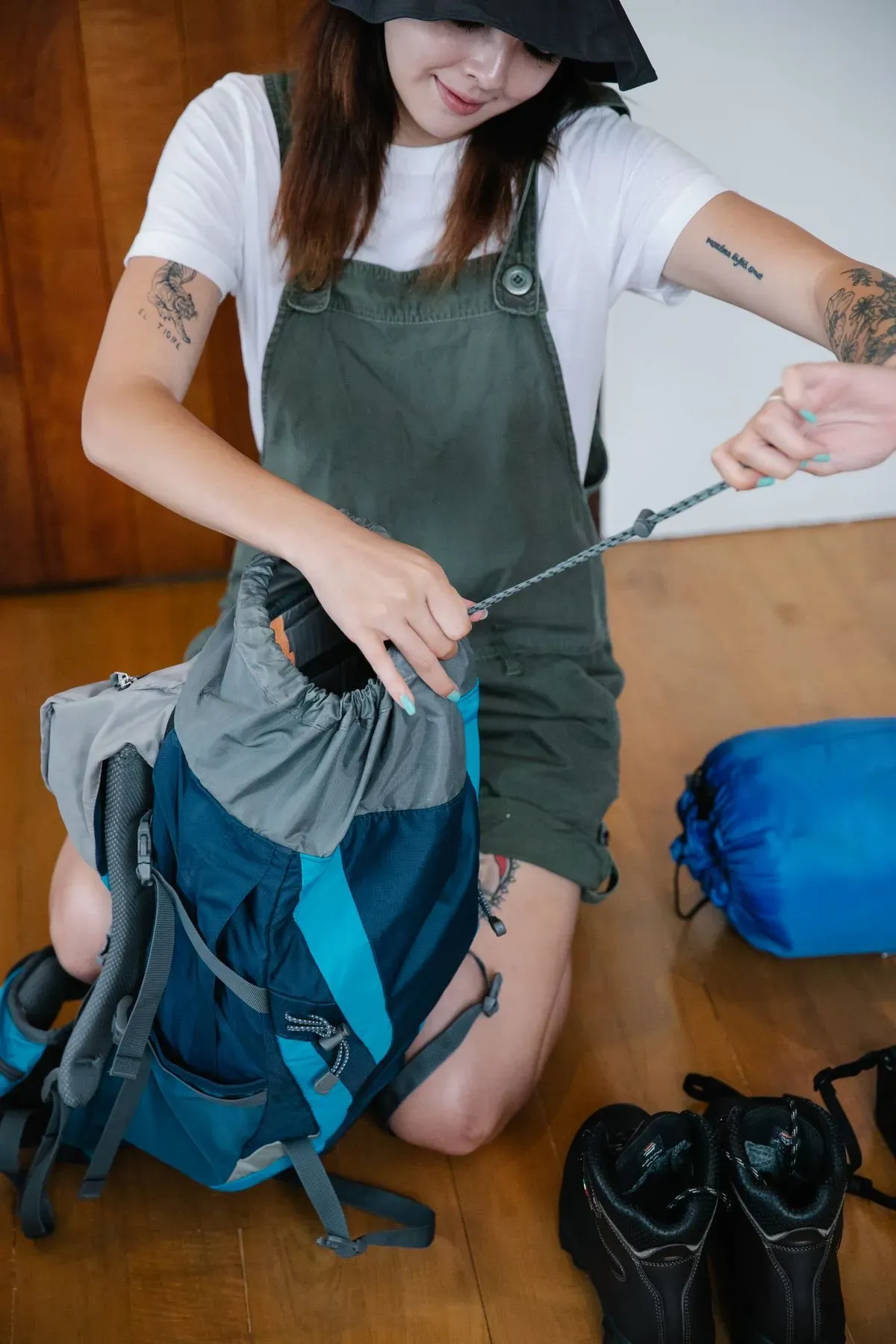
Carry a compact rain layer and protect the items you cannot afford to get wet. Put them where you can reach them without emptying the bag beside the road. Packing well helps with ordinary showers; it should not persuade you to ignore a closure or a warning.

Illustrative travel photo. Photo: Pexels / Pexels License. Resized for this page.
8. Reconsider slippery outdoor routes
Check conditions before committing to steps, viewpoints or an exposed walk. Choose an easier alternative if the route is wet or visibility is poor. The same attraction can be a very different outing on another day, so do not treat an earlier photograph as an access report.

Photo: Christophe95 / CC BY-SA 4.0. Resized for this page.
9. Read the weather-cancellation terms
Ask which changes qualify for a refund, a new date or a substitute activity before you pay. Save the operator’s answer with the booking. A forecast you dislike and an operator-cancelled trip may be treated differently, so establish what your actual agreement covers.

Illustrative travel photo. Photo: Jacob / Pexels License. Resized for this page.
10. Keep one genuinely unbooked block
Leave time for a favourite indoor stop, a second meal somewhere you liked or simply catching up on rest. You can move a lake walk to a clearer period without losing a prepaid afternoon. A flexible block is most useful when you have not already filled it with another commitment.

Photo: Syced / CC0. Resized for this page.
Check current warnings close to each outdoor journey and follow local closures or operator cancellations. If an outing cannot go ahead, use a nearby indoor option or a rest day instead of trying to recreate the original route at any cost.