Top 10 Steps to Plan Your First Vietnam Trip
Plan your first Vietnam trip with ten clear steps covering routes, arrival, accommodation, phone data and realistic travel days.

Published on 4 min read

On this page
Start with your usable days, choose one region and book your first night. Those three decisions make the rest of a first Vietnam trip much easier. This checklist puts the planning tasks in a useful order, with simple examples you can adapt to your own dates.
Last checked: September 24, 2026. Check live operator information again before travel.
1. Count nights before counting attractions
Write down where you will sleep each night, including the night before your flight home. A seven-day trip often means six nights, not seven sightseeing days. For a Hanoi arrival, leave the first evening for checking in, eating nearby and finding your bearings rather than a prepaid excursion.
Photo: Vyacheslav Argenberg / CC BY 4.0. Resized for this page.
2. Choose one main region
Use north, central or south as your starting decision. A short central trip could stay around Da Nang, Hoi An and Hue instead of adding a flight to Hanoi. Put your two must-do experiences on a map; the route should connect those, not every famous photograph.

Photo: HCCB3947 / CC BY-SA 4.0. Resized for this page.
3. Check the forecast for each overnight stop
A Sapa hillside and a southern beach call for different preparation. Read a regional climate guide when choosing dates, then look at local forecasts close to departure. The national weather service publishes current warnings; a beautiful seasonal photograph does not tell you what next week will be like.

Photo: Eerin25 / CC0. Resized for this page.
4. Choose a useful first address
Before paying for a room in Hanoi, check the walking route to food, the vehicle pickup point and the entrance location. Save the full address and property phone number offline. A hotel name alone is less helpful when similarly named properties appear in a map search.
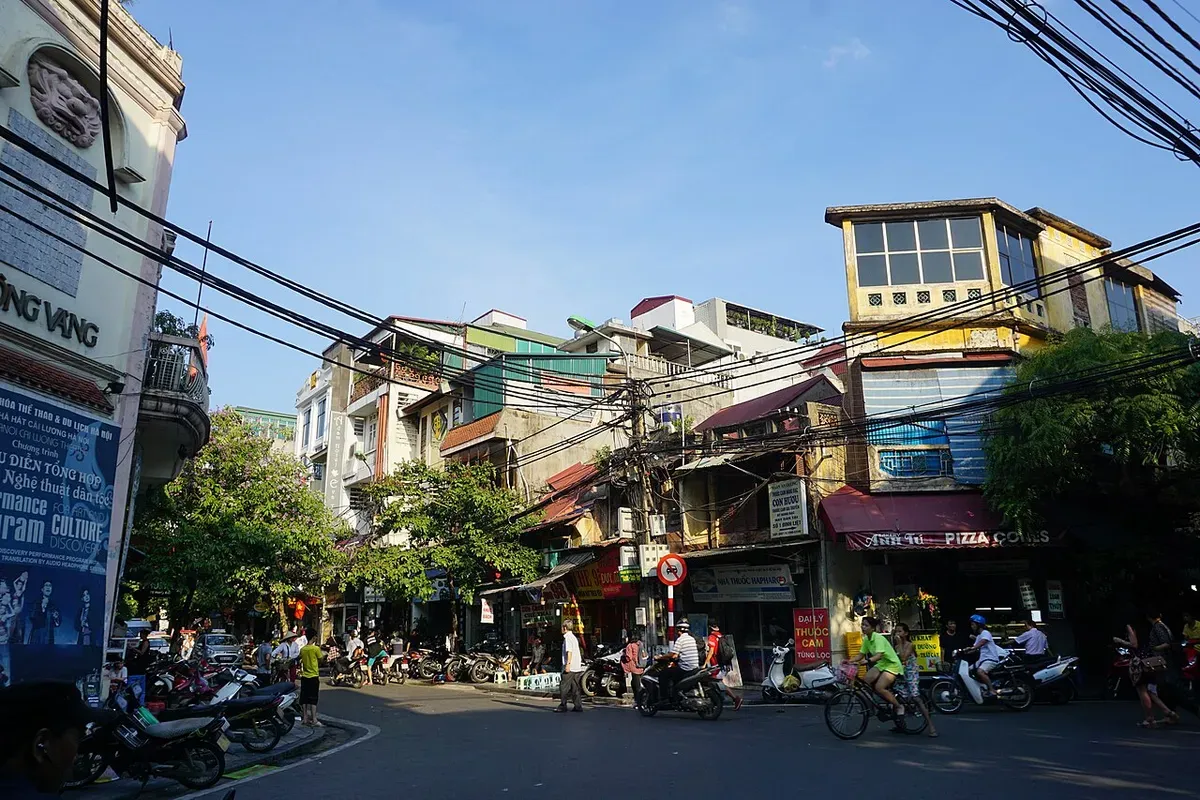
Photo: John Lian / CC BY-SA 4.0. Resized for this page.
5. Make a separate document check
Before booking non-refundable plans, confirm your travel-document and entry requirements with the relevant official authority or embassy. Keep that task separate from sightseeing research. Store your booking confirmations somewhere you can reach without mobile data, especially if your first stop is busy Ho Chi Minh City.

Illustrative travel photo. Photo: Vlada Karpovich / Pexels License. Resized for this page.
6. Compare complete transport days
For a flight into Da Nang, include the journey to the departure airport, check-in, baggage collection and the ride to your room. Compare that whole block with a train or road transfer. The shortest advertised journey is not always the option that leaves the most usable holiday time.

Photo: Person-with-No Name / CC BY 2.0. Resized for this page.
7. Set up a workable phone plan
Before an evening wandering Hoi An, make sure maps and your accommodation contact work away from Wi-Fi. Compare data allowance, activation timing and device compatibility before buying. Viettel’s tourist registration portal currently asks for passport and portrait images; use the provider’s own secure process.
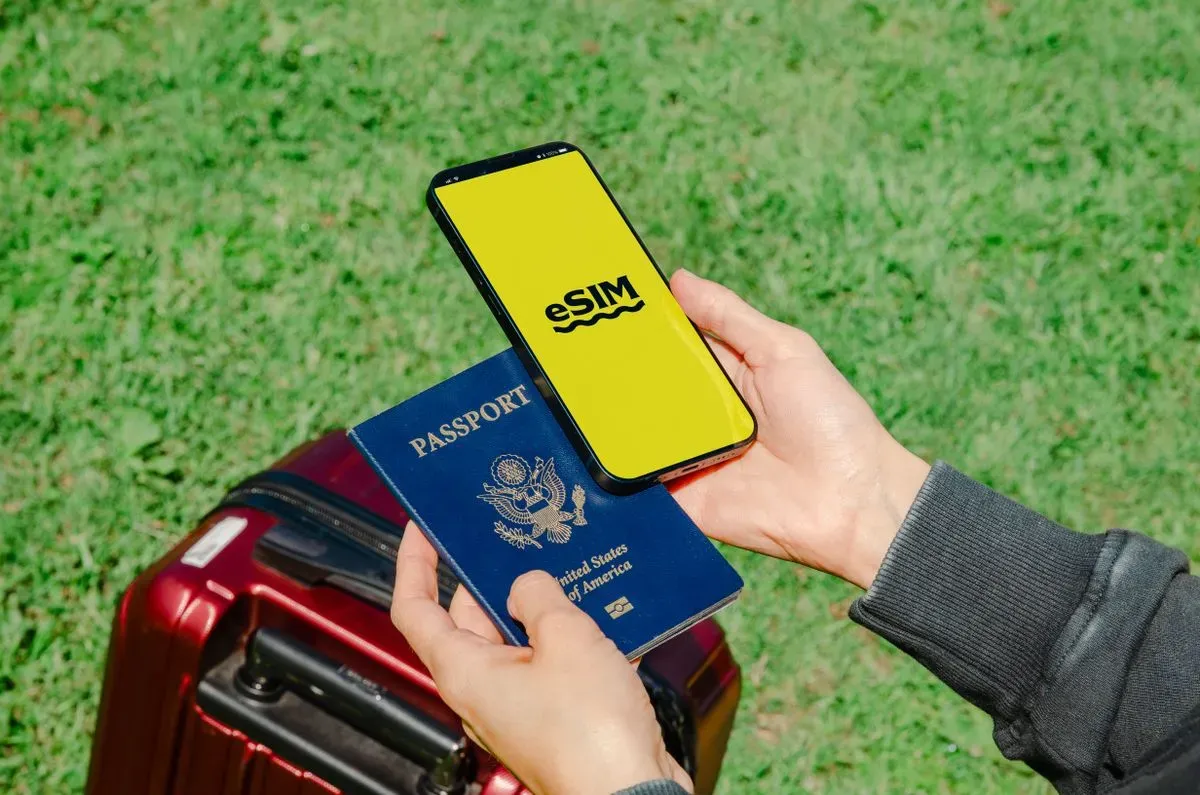
Illustrative travel photo. Photo: Jacob / Pexels License. Resized for this page.
8. Separate fixed and daily spending
Put transport, accommodation and booked activities in one column, then meals, drinks and local rides in another. That makes a market-shopping day in Ho Chi Minh City easier to judge. Set aside a personal shopping allowance instead of letting souvenir spending quietly consume the transport budget.

Photo: Bahnfrend / CC BY-SA 4.0. Resized for this page.
9. Book the experience that matters most
If an overnight bay trip is the main reason you are coming, settle its date before filling the surrounding days. Read the cancellation terms and transfer details. Leave room for a changed departure rather than placing an inflexible onward booking immediately after the boat returns.
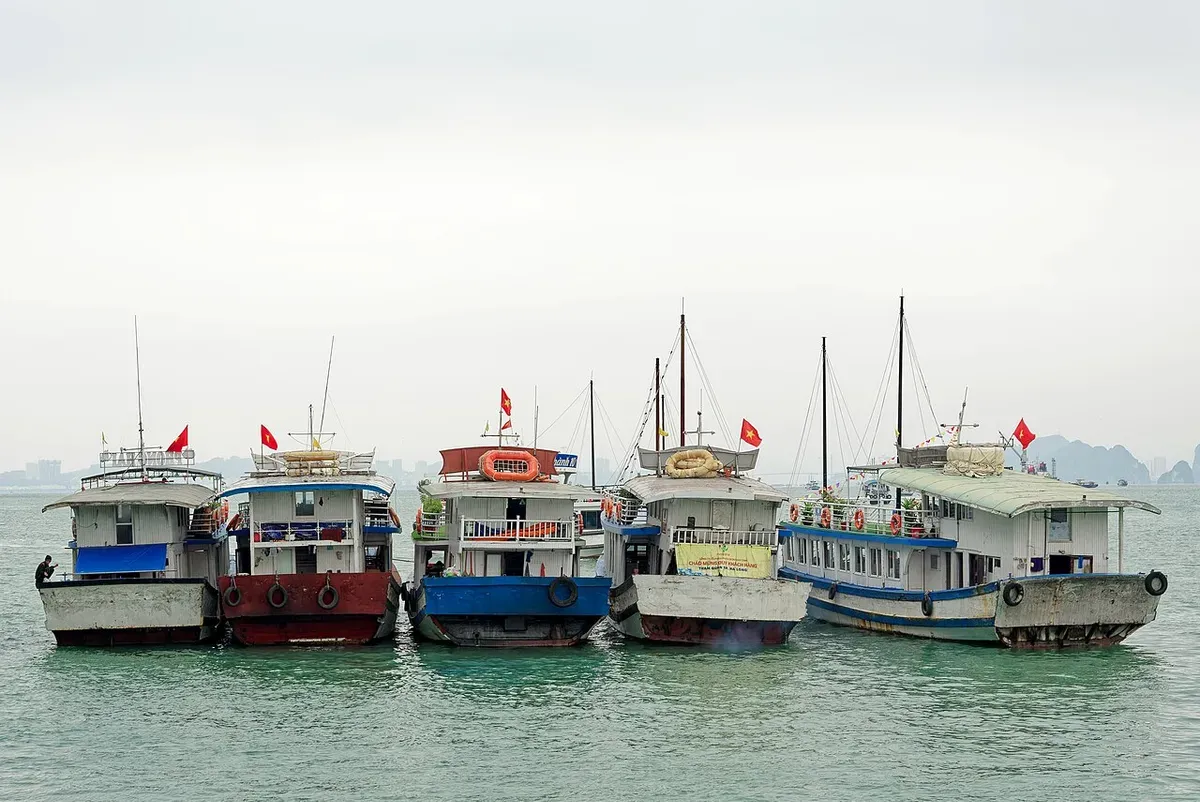
Photo: Jakub Hałun / CC BY 4.0. Resized for this page.
10. Keep one day lightly planned
An easy beach afternoon, a second cafe visit or a slow breakfast can be the best part of a trip. Keep one flexible block rather than buying an activity for every gap. If your Hoi An stay feels rushed on paper, remove an outing before adding another reservation.

Photo: Mig Gilbert from Brighton / CC BY-SA 2.0. Resized for this page.
Next, choose one of our seven-day route ideas. Keep the route and the booking checklist in separate notes so a change of hotel does not require rebuilding the whole trip.