Banh Mi Vietnam: A Guide to Fillings, Prices
Discover banh mi in Vietnam: popular fillings, regional styles, budget tips, ordering phrases, and practical advice for your first Vietnamese sandwich.
Published on 7 min read
On this page
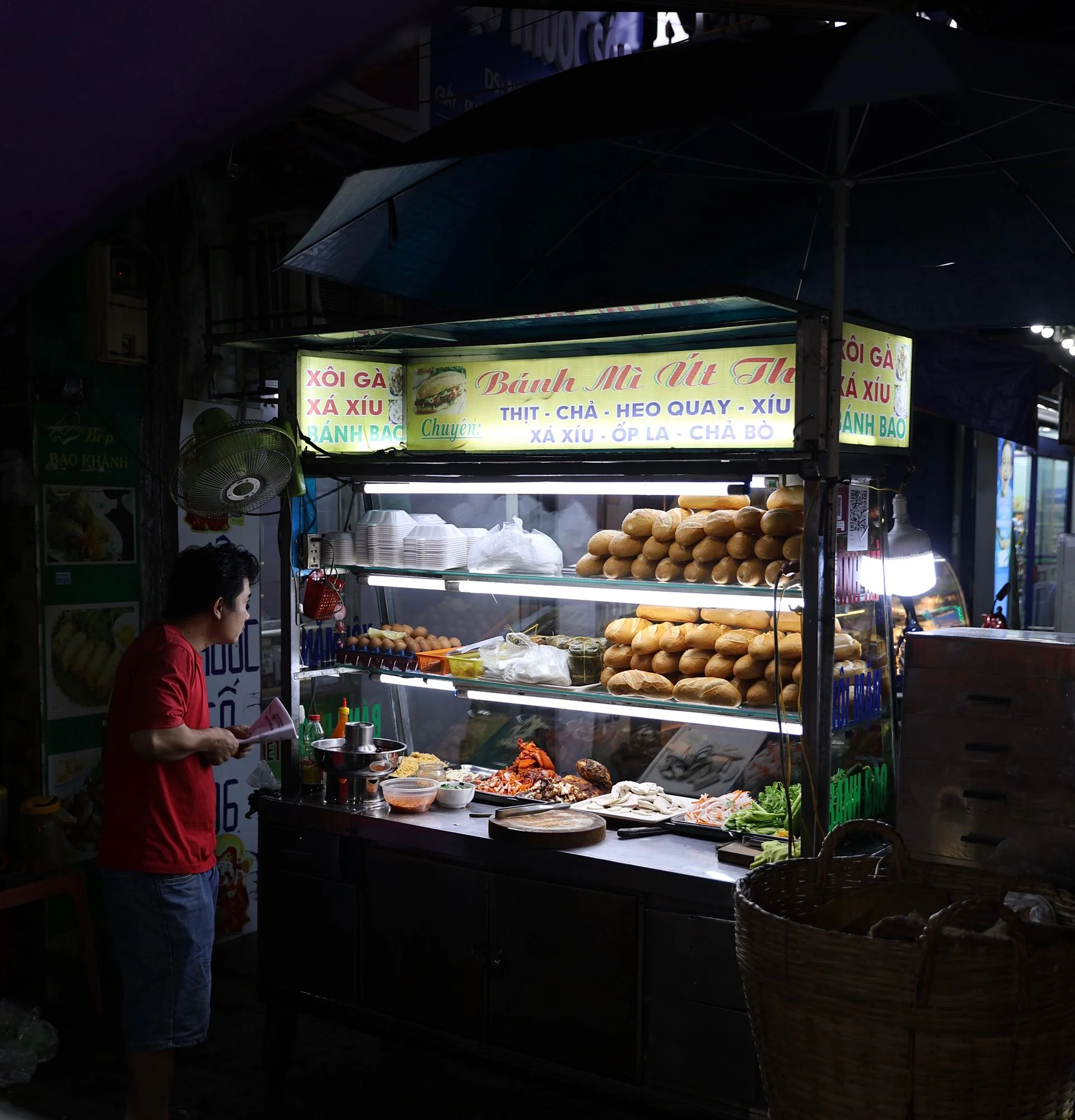
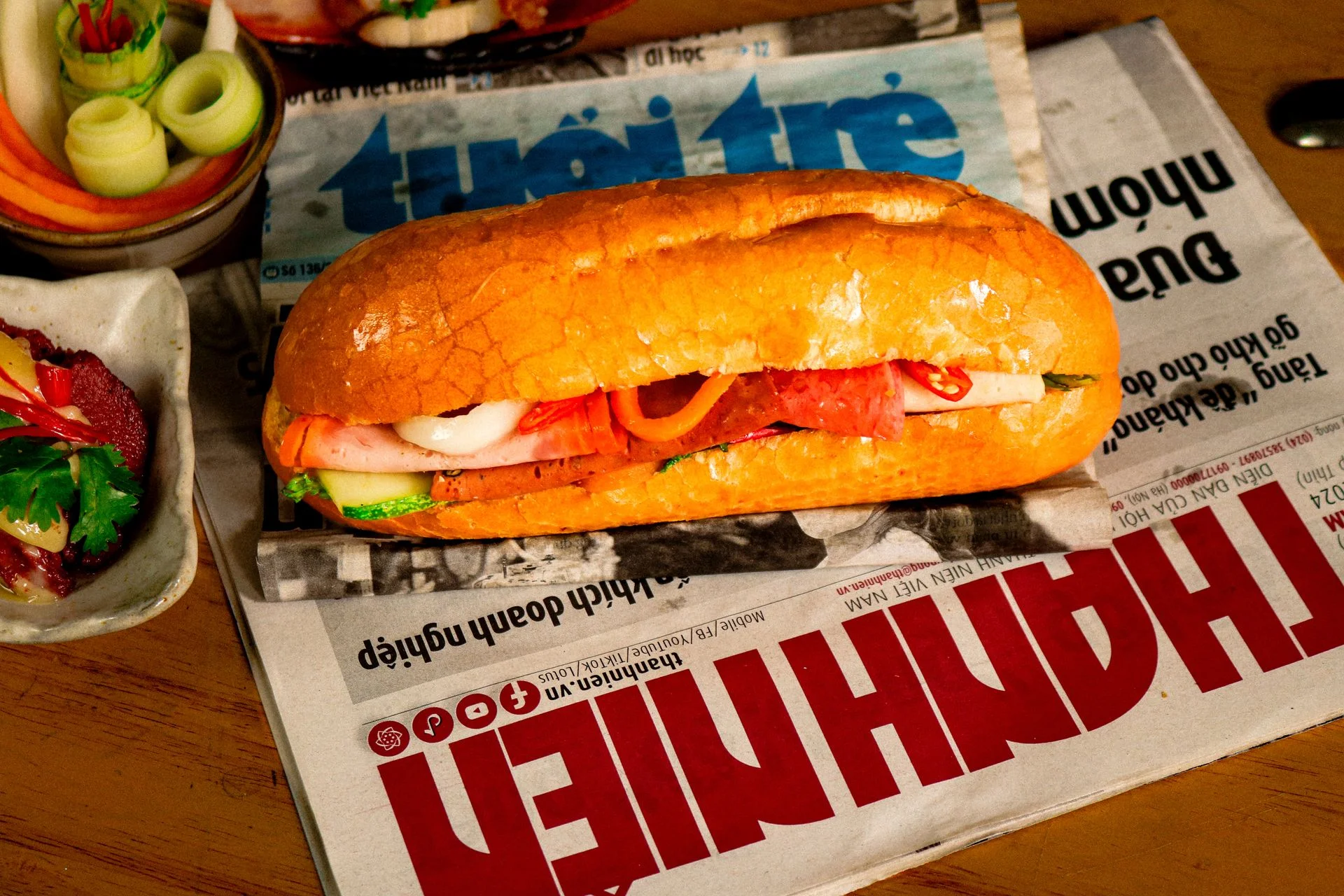
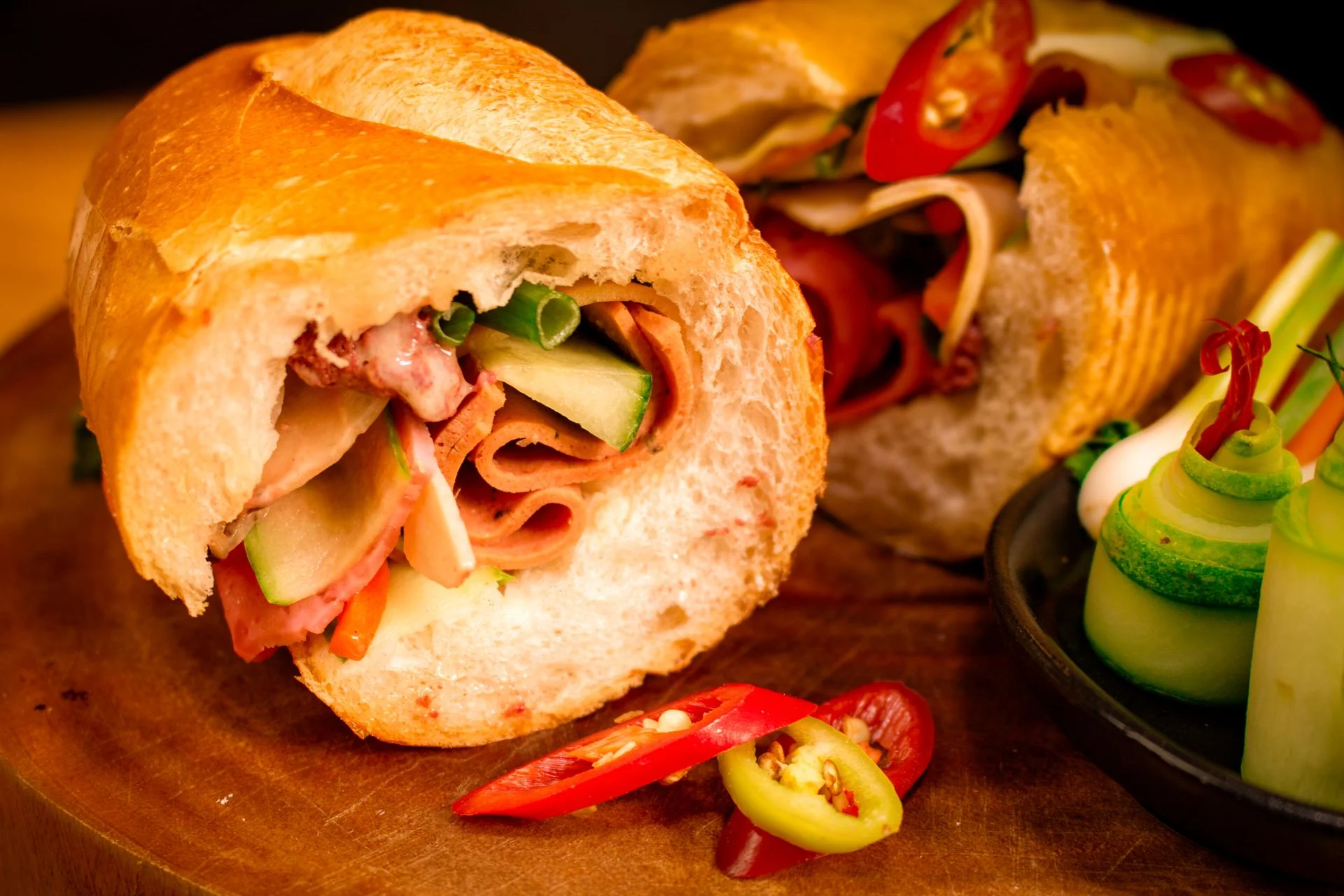
Banh mi is a Vietnamese sandwich made with a crisp bread roll and savory fillings, often balanced with pickled vegetables, cucumber, herbs, and sauce. For a first taste, choose mixed pork if you eat meat, fried egg for a simpler order, or a clearly identified vegetarian version.
The pleasure is in the contrast: a crust that breaks into flakes, a soft center, rich filling, and a sharp bite of pickle. It is also a practical meal between sightseeing stops—provided you order the version you actually want.
This guide to banh mi in Vietnam explains the main menu terms, what to budget, and how to customize your sandwich without guessing at the counter.
What Is Banh Mi?
In Vietnamese, “bánh mì”can mean bread itself as well as a filled sandwich. “Bánh mì không” means plain bread, so name a filling when ordering a meal.
The bread reflects the French baguette tradition introduced to Vietnam during the colonial period. Vietnamese cooks developed a distinctive sandwich using local meats, herbs, pickles, and seasonings; the Saigon style became prominent in the mid-20th century
There is no single recipe that every seller follows. Two stalls on the same street can serve noticeably different bread, sauces, and portions.
Which Banh Mi Should You Try?
Use the main filling as your starting point, then ask what else comes inside. A name such as “chicken” or “egg” does not necessarily describe every ingredient.
| Menu name | Main filling | Choose it if you want… |
|---|---|---|
| Bánh mì thịt | Meat, commonly pork; the combination varies | A classic starting point |
| Bánh mì đặc biệt | The shop’s special combination | A fuller sandwich; ask what is included |
| Bánh mì thịt nướng | Grilled meat, often pork | A grilled filling |
| Bánh mì ốp la | Fried egg | A straightforward breakfast option |
| Bánh mì gà | Chicken | An alternative to a pork-based filling |
| Bánh mì xíu mại | Meatballs, commonly pork, with sauce | Something softer and saucier |
| Bánh mì chay | Vegetarian filling, often tofu, mushrooms, or mock meat | A meat-free option to verify before ordering |
First-order suggestion: choose one familiar protein and ask for chili separately. You can explore a more elaborate combination after learning which flavors you enjoy.
What else might be inside?
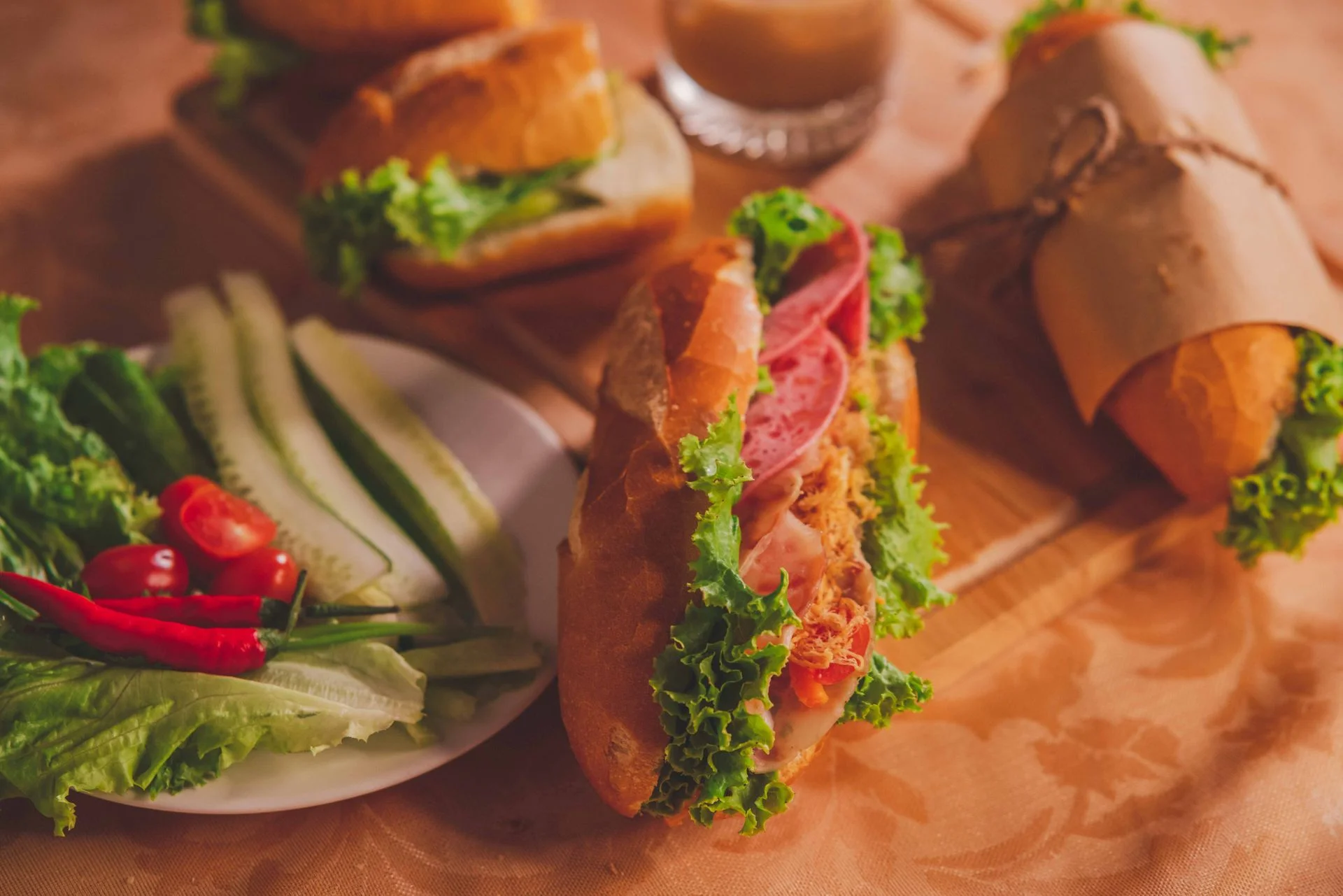
Pâté and a creamy spread add richness; cucumber, cilantro, and pickled vegetables provide contrast. Chili and the shop’s sauce finish the sandwich. Not every version includes every component.
If you dislike cilantro or prefer less sauce, mention this before assembly begins. Removing ingredients afterward is much harder.
How Much Does Banh Mi Cost in Vietnam?
For planning, set aside roughly VND 25,000–60,000 for a sandwich at a casual shop. Treat this as a working allowance rather than a nationwide price rule: smaller neighborhood portions may cost less, while large specials, cafés, and airport outlets may cost more.
This is a suggested travel budget, not a verified quote for a particular shop. Prices depend on the city, filling, portion size, and venue, so the menu at the shop is your final reference.
To keep ordering simple:
- Check whether the price is for the standard sandwich or the special.
- Ask about the cost of extra meat, egg, or cheese before adding it.
- Carry small-denomination Vietnamese đồng; do not assume a street stall accepts cards.
- Read 30k as VND 30,000 when it appears on a menu.
How to Order Banh Mi in Vietnamese
You do not need a long conversation. Point to the filling, say how many sandwiches you want, and mention changes before the seller starts.
| What you want to say | Vietnamese phrase |
|---|---|
| One meat banh mi, please | Cho tôi một bánh mì thịt. |
| One fried-egg banh mi, please | Cho tôi một bánh mì ốp la. |
| No chili | Không ớt. |
| No pâté | Không pa-tê. |
| No cilantro | Không rau mùi, không ngò rí. |
| Less sauce | Ít sốt thôi. |
| No meat | Không thịt. |
| How much is one sandwich? | Một ổ bao nhiêu tiền? |
| Takeaway, please | Mang đi. |
An easy first order: “Cho tôi một bánh mì thịt, không ớt.” This asks for one meat banh mi without chili.
“No chili” may not remove heat from a premixed sauce. If this matters, show the seller a translated request asking whether the sauce is spicy too.
Finding a Banh Mi Stop During Your Trip
Fit the meal around your route instead of crossing an entire city for an unverified “best” sandwich. Save a couple of nearby options and check recent menu photos, location details, and opening hours before setting out.
Search terms can help you find different versions:
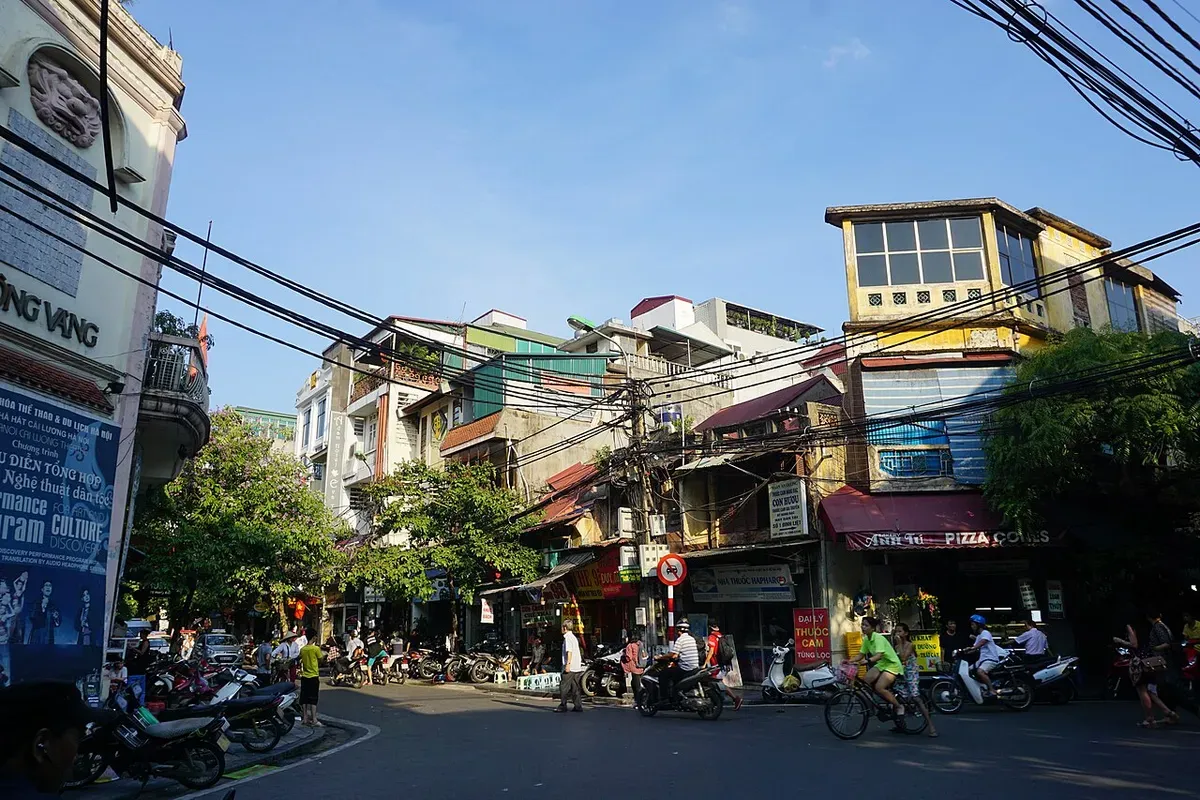
- Hanoi: search for bánh mì pâté or bánh mì trứng near your sightseeing route.
- Ho Chi Minh City: compare bánh mì thịt and bánh mì đặc biệt menus.
- Hoi An: compare the fillings and sauces at nearby shops rather than choosing solely by queue length.
- Hai Phong: look up bánh mì que, the slim breadstick-style version associated with the city.
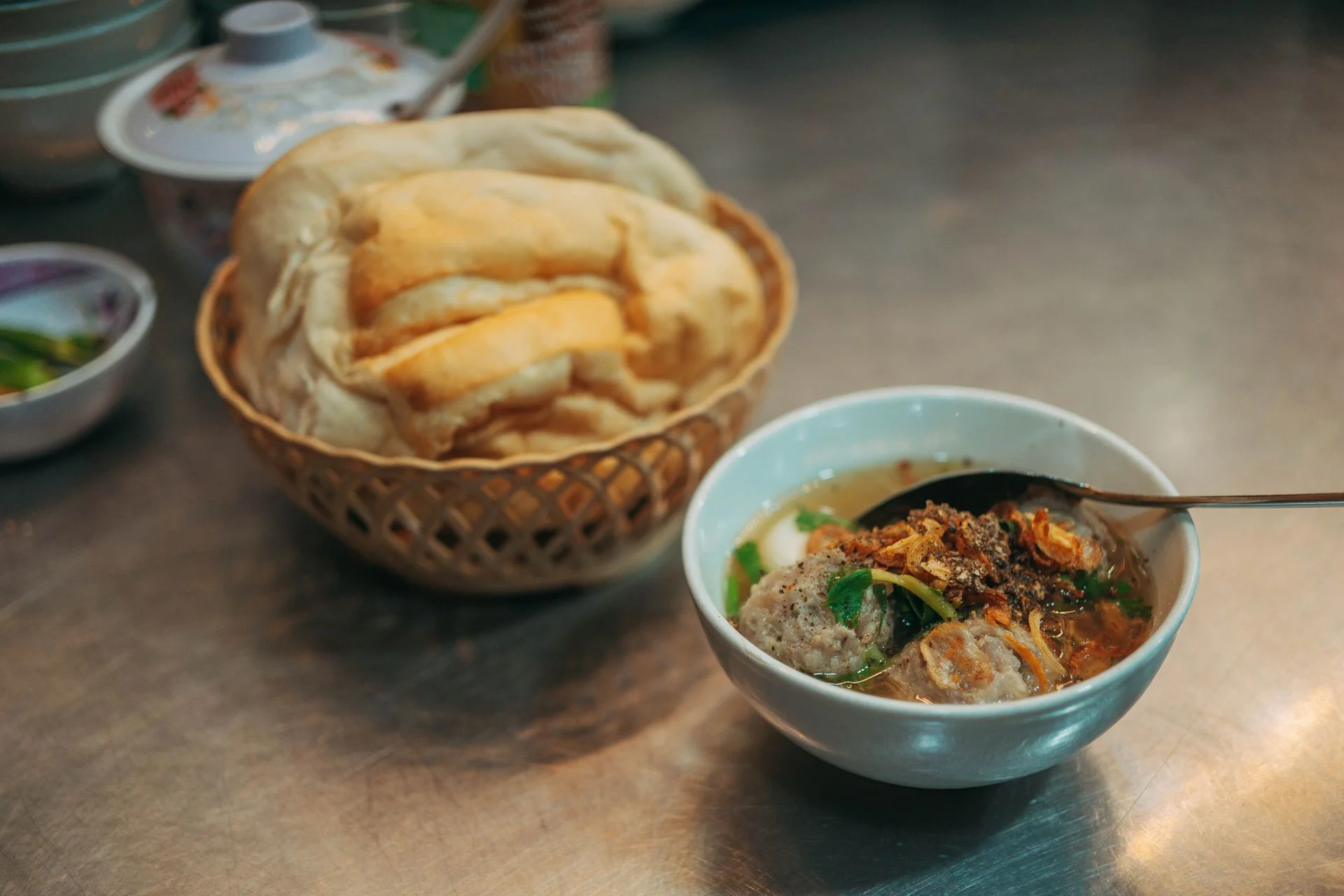
- Da Lat: look up bánh mì xíu mại, often served as bread with a separate bowl of meatballs and broth.
The bánh mì varieties reference provides further context on regional forms. These are ideas for exploring, not fixed rules about what each city serves.
Stay connected while looking for food
Mobile data is useful for checking a shop’s location, translating a menu, or finding your way back to your hotel. Save your chosen stops and these ordering phrases before heading out.
If you are arranging connectivity for your trip, check the 5G Vietnam eSIM using Viettel on Klook. Before paying, check that your phone supports eSIM and is network-unlocked, then review the selected plan’s data allowance, validity, activation instructions, and whether calls or SMS are included. Coverage and available speeds depend on your location, device, and plan.
Dietary Requirements: Check More Than the Main Filling
An egg or chicken banh mi is not automatically pork-free. Ask about pâté, meat toppings, cooking fat, and sauces as well as the main filling. If you need halal food, look for verified halal preparation rather than relying on the absence of visible pork.
For a vegetarian order, start with bánh mì chay and confirm the ingredients. For a vegan order, also check for egg-based spreads, dairy, fish sauce, and animal-based pâté. A dedicated vegetarian or vegan shop can make the conversation easier, but you should still explain your requirements.
Banh mi bread normally contains wheat, so it is not a gluten-free choice. Other ingredients can introduce egg, soy, fish, sesame, or additional allergens. If you have a serious allergy, use a clear Vietnamese allergy card and ask about shared utensils and preparation surfaces; removing a topping does not resolve cross-contact.
Practical Food-Safety Tips
A popular stall or a long queue cannot guarantee food safety. Pay attention to how fillings are stored and handled, especially meat, pâté, and egg-based spreads.
The CDC’s food and water guidance for travelers recommends food cooked thoroughly and served hot, and identifies raw vegetables and street-vendor food as higher-risk choices. If you choose street food, apply those precautions: favor freshly cooked hot fillings, skip raw garnishes when you cannot assess washing conditions, and avoid ingredients that appear to have been sitting unrefrigerated.
Eat your sandwich soon after purchase rather than carrying meat or egg fillings around for hours in the heat. Clean your hands before eating, too.